 English
 简体中文
简体中文
 عربي
عربي
 Dansk
Dansk
 Deutsch
 Русский язык
 Français
 Pilipino
 suomi
suomi
 한국어
한국어
 Malay
Malay
 Afrikaans isiXhosa
 Zulu, eNingizimu Afrika
 Português
 日本語
日本語
 Svenska
 ภาษาไทย
 Español
 Italiano
 IndonesiaName
 Tiếng Việt

In this razor-thin hardware margin era, folks buy trackers like disposable lighters.
Many fleet bosses gloat over saving thousands on procurement—until a tiny ecosystem shift turns their gear into buried time bombs under thousands of trucks.
Today, we unpack the hidden killer that can bankrupt integrators overnight: missing OTA (Over-The-Air) remote updates.
The 'Recall' Nightmare: When Software Bugs Go Physical
Picture this:
Your firm spent six months deploying 5,000 vehicle trackers nationwide. All good—until November, when a major carrier tweaks TLS certs or APN auth for security.
Boom: all 5,000 offline.
Hardware's fine, batteries charged, antennas intact. They just need a few code lines patched for the new rules.
You call the cheap supplier: 'No prob, engineers fixed the firmware. Plug in a USB serial cable, flash it with our tool.'
Your blood freezes.
That means recalling 5,000 trucks, ripping dashboards, cutting ties, extracting devices, flashing, reinstalling. Labor plus downtime: at least $150 per truck. For skimping $2 per unit upfront, you're out $750,000 in 'physical upgrades.'
That's life without remote firmware updates.
The Root Cause: It's All About Flash Memory
Why no remote upgrades? Simple: tiny brain.
Engineering-wise, secure OTA needs ample storage (Flash Memory).
Downloading new firmware via 4G? Can't overwrite running code. Stash it in a 'backup vault' first, verify MD5/SHA-256 hash for integrity, then swap.
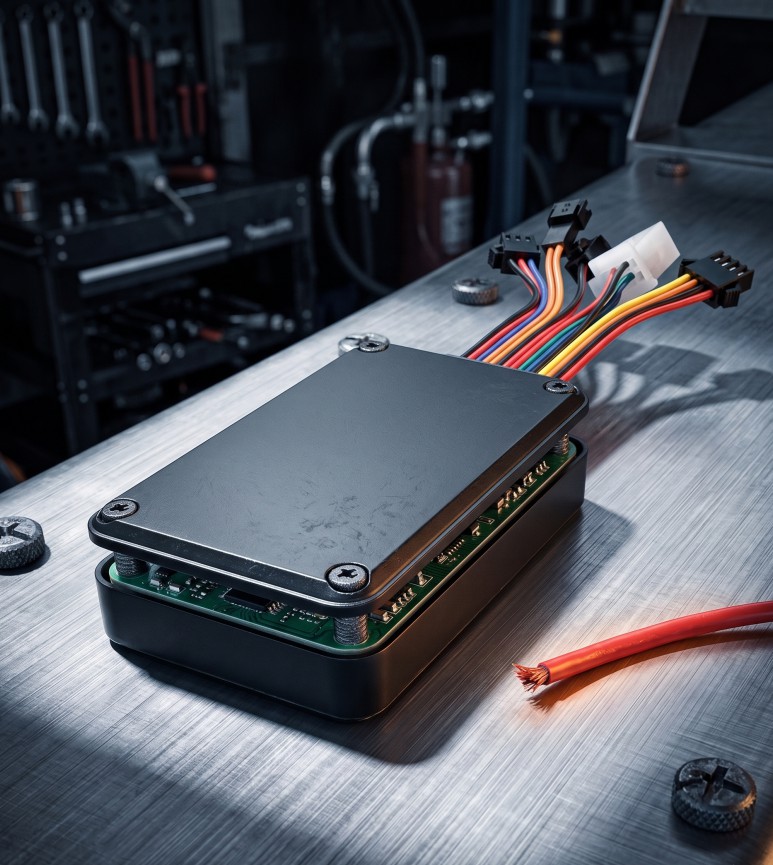
Cheap trackers skip $1 external Flash chips to save costs. They cram into the MCU's puny 256KB internal space—barely fits current code, no room for buffering downloads.
Physically, they're castrated from evolving.
The Trap: 'Perfect Code' and 'Russian Roulette' OTA
Sales pitch two classic lies on upgrades:
Lie 1: 'Our code's rock-solid—no updates ever.'
Bull. No bug-free code exists. Plus, IoT lives in shifting ecosystems: GPS rollovers, carrier shutdowns, server IP changes. No OTA? Gear's defenseless.
Lie 2: 'Bricking Roulette' OTA.
Some mid-tier offer OTA but use single-bank overwrite. Downloads erase old code mid-process. Hit a tunnel at 99% or power loss? Bang! Corrupt code.
Device bricks forever.
The Veyloc Standard: Bulletproof Evolution
At Veyloc, we treat fleet hardware maintenance as sacred for product lifespan. Our OTA isn't patching—it's immortality.
- Dual-Bank A/B Fallback
Standard big external Flash. A/B partitions: new firmware hits inactive bank. Power cut mid-flash? Hardware watchdog auto-rollbacks to stable old version. No bricking.
- Delta Patching
No full 2MB downloads. Algo diffs new/old, sends just 20KB changes. Slashes time from minutes to seconds, saves SIM data bills. - Resume from Breakpoint
Spotty networks? If interrupted, auto-resumes from exact byte next connect—no wasted data.
The 'Future-Proof' Checklist
Don't wait for mass failure to check specs. Grill suppliers pre-contract:
- 1. 'Does OTA support A/B rollback? Self-rescue on mid-upgrade power loss?' (If 'ship back to factory,' out.)
- 2. 'Independent Flash capacity for OTA caching?' (No dedicated Flash? Playing with fire.)
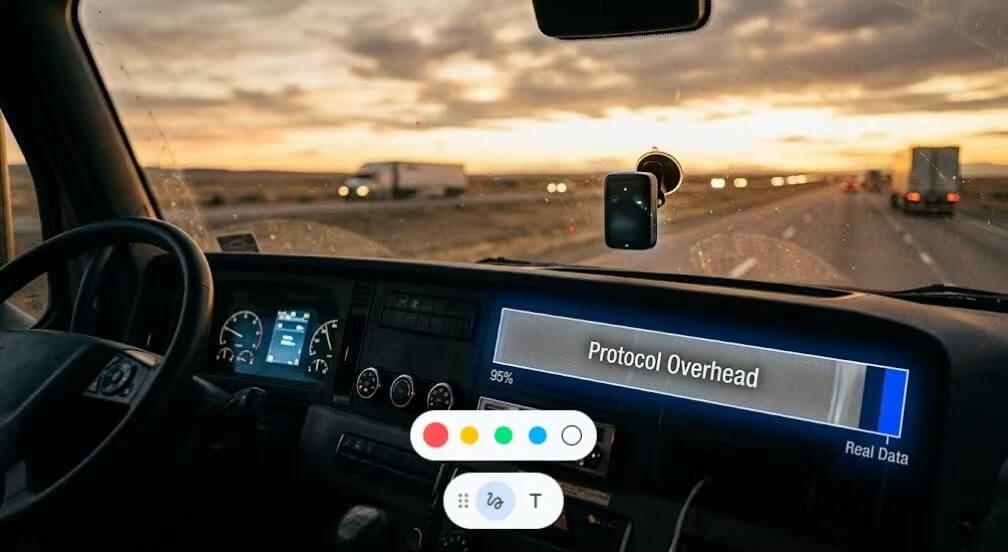
- 3. 'Delta updates or full packages only?' (Full ones explode monthly data bills on thousands of units.)



















 Tansy
Tansy

